Loading...
Serving Benicia, CA and surrounding areas. (707) 750-8723
Crumbling mortar lets water into your walls. We restore your joints with mortar matched to your brick so the repair holds and blends in.
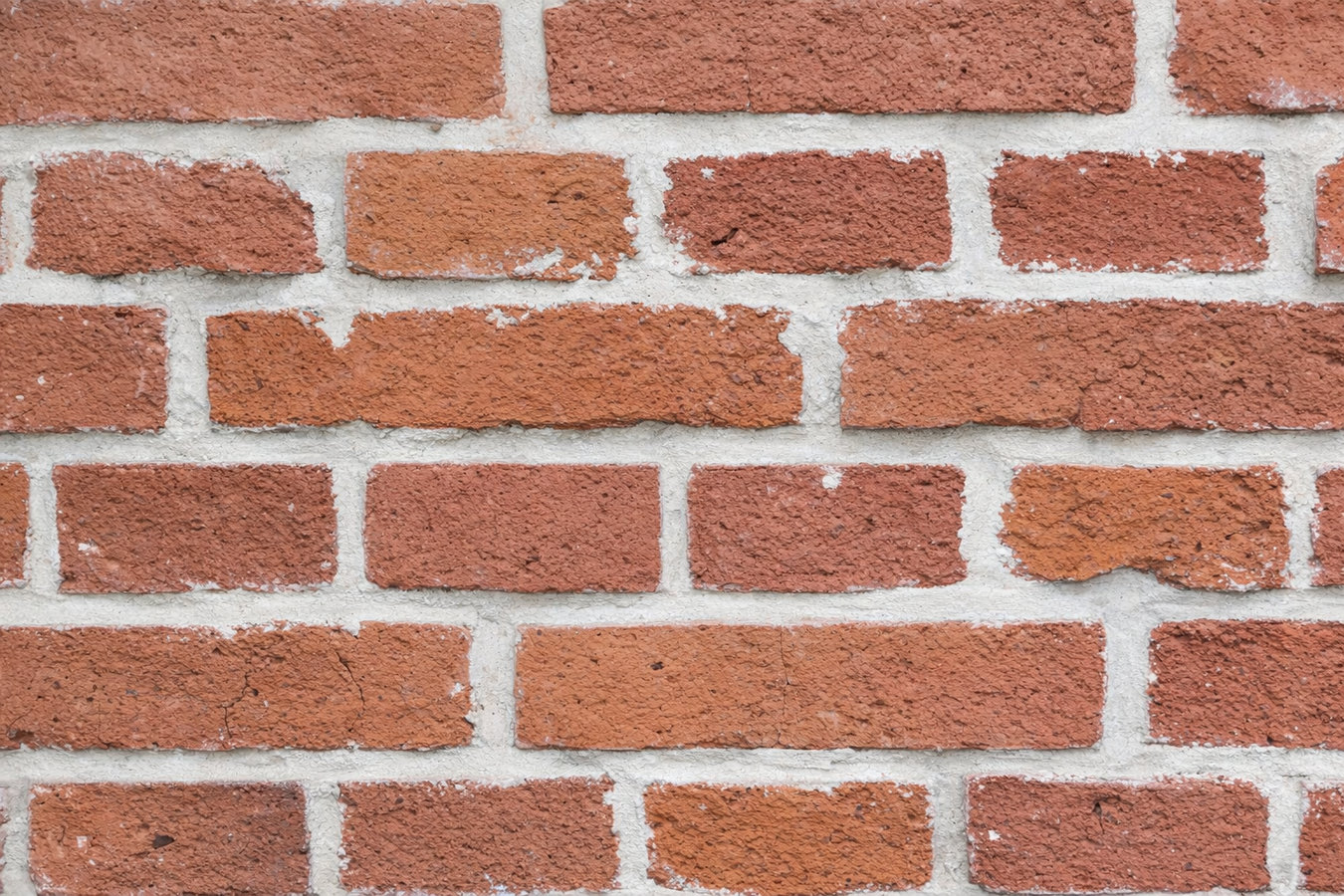
Tuckpointing in Benicia means removing old, crumbling mortar from the joints between your bricks or stones and replacing it with fresh mortar that is matched to your existing wall, with most jobs on a single-family home taking one to three days from start to finish.
The joints between your bricks are doing quiet but essential work: they seal out moisture, absorb small movements in the wall, and keep your masonry looking right. Once mortar starts to crack or soften, water finds a way in - and the damage it causes to the bricks and the structure behind them costs far more to fix than the repointing would have. If you have seen white streaks on your brick or noticed loose material in the joints, the right time to act is before the next rainy season.
Tuckpointing is closely related to brick repair. When water has already reached the brick faces - causing chipping, flaking, or spalling - both services are often needed together to fully restore the wall.
Run a finger along the joints between your bricks. If the mortar feels soft, sandy, or crumbles away, it has lost its ability to keep water out. This is the clearest sign that tuckpointing is overdue, and the sooner it is addressed the less water has had time to work behind the brick face.
Chalky white streaks - called efflorescence - form when water moves through the wall and carries dissolved salts to the surface. In Benicia, the combination of marine air from the Carquinez Strait and persistent winter fog makes this especially common on north-facing and waterfront-facing walls. It means moisture has already been getting in long enough to leave a trail.
Stand back from your chimney or brick wall and look at the joint lines. If you can see gaps, missing sections, or joints that look noticeably sunken compared to the brick face, water is already getting in. A healthy mortar joint should be flush or very slightly recessed - you should not see shadow or daylight in the line.
When mortar fails and water gets behind the brick face, the brick itself starts to break apart - a process called spalling. If you see brick faces that look chipped, pitted, or flaking, the joints around them have likely been failing for some time. Tuckpointing now stops the damage from spreading to more bricks.
Our tuckpointing work covers all masonry surfaces where mortar joints have deteriorated: chimneys, exterior brick walls, garden walls, retaining structures, and decorative masonry. We cut out the old mortar to the correct depth using angle grinders or hand chisels, then pack in fresh mortar that is custom-matched to the color and texture of your existing joints. If damaged bricks also need attention - see our brick repair service - we assess and address both in the same visit so you are not paying for separate mobilizations.
For homes with ornamental brickwork or decorative joint profiles, we also offer brick pointing, which applies the same mortar-matching process to joints that need finishing rather than full removal and replacement. Whether the problem is a single chimney run or a full exterior wall, we scope each job individually and give you a written estimate before a tool touches the wall.
Right for homeowners whose chimney shows recessed or crumbling joints - especially important before winter in Benicia's damp coastal climate.
Suited to homes where a section or full face of brick or stone shows soft, missing, or deteriorated mortar joints.
The right choice for homes in or near Benicia's historic district, where older soft brick requires a lime-compatible mortar to avoid cracking.
Ideal for brick or stone retaining walls and garden structures where joint failure is letting water infiltrate and shift the wall.
Benicia sits directly on the Carquinez Strait, and the salt-laden air that rolls off the water accelerates mortar breakdown faster than it would in an inland city. Homeowners near the waterfront or in lower-elevation neighborhoods can expect their mortar joints to deteriorate noticeably sooner than the 25-to-30-year lifespan typical in drier climates. The city's mild but persistently foggy winters compound the problem: sustained moisture - rather than hard freezes - is the primary driver of mortar failure here, which means damage can progress quietly without the obvious cracking you might see in colder regions. We work throughout Benicia and understand exactly what local conditions do to brick mortar over time.
Benicia's older housing stock adds another layer of complexity. The historic downtown and surrounding residential streets include many homes built from the late 1800s through the mid-20th century, and those structures were often built with softer, lime-based mortar. Using a modern, hard cement mix on these walls can crack the original bricks rather than just the joints - undoing the entire repair. We also serve Vallejo, where many of the same coastal conditions and aging housing stock apply, and where homeowners face similar decisions about mortar selection and timing. The National Park Service Preservation Briefs offer detailed guidance on mortar matching for historic masonry that we apply to older homes in both cities.
Tell us where the problem is and roughly how large the area looks. We will get back to you within one business day to schedule an on-site visit at a time that works for you.
We walk the affected area, check joint depth and mortar condition, and note whether any bricks also need attention. This visit typically takes 20 to 45 minutes, and we explain what we find before we leave.
You receive a written estimate that breaks down the scope and the cost - no surprise line items added later. We confirm the mortar mix, color-matching approach, and project timeline before you commit to anything.
The crew cuts out old mortar, packs in matched replacement mortar, and tools the joints to finish. After work wraps, we walk the completed area with you and advise on the 24-to-48-hour curing window before the wall can get wet.
Free written estimate. No obligation. We get back to you within one business day.
(707) 750-8723We assess the age and hardness of your existing masonry before mixing a single batch of mortar. Older homes - especially those in Benicia's historic neighborhoods - need a softer, lime-compatible mix that will not crack the surrounding brick. That matching step is what separates a repair that holds from one that causes new damage.
We understand the mortar and material requirements that apply to homes in and near Benicia's designated historic district. If your property is in an area subject to Community Development review, we are familiar with that process and can advise you on what to expect before work begins. The Brick Industry Association publishes technical guidance on mortar selection for historic masonry that informs how we approach these jobs.
Salt air from the Carquinez Strait accelerates mortar breakdown in ways that only show up if you work here regularly. We have serviced homes across Benicia's waterfront and hillside neighborhoods and know what coastal exposure does to brick joints over time - which affects both the mortar we choose and the prep work we do before packing new material.
You will receive a written scope and cost before we touch your wall. No verbal estimates followed by a different number on the invoice. The assessment is the time to ask about mortar color, curing time, and what happens if we find damaged bricks once the old mortar is removed - and we will answer every question before you decide.
When you hire for tuckpointing in Benicia, you want mortar that matches, work that blends in, and a contractor who tells you exactly what was done and why. That is what every job here looks like.
Individual brick replacement, spalling repairs, and crack patching to restore your masonry surface.
Learn MorePrecision joint finishing on new and existing brick to achieve a clean, watertight seal.
Learn MoreEvery week of delay lets more water behind your brick. Call today or request a free written estimate online.