
Loading...
Serving Benicia, CA and surrounding areas. (707) 750-8723
When your brick or stone walls show signs of age, you need repairs that bring them back to stable, weathertight condition without erasing what makes them special.
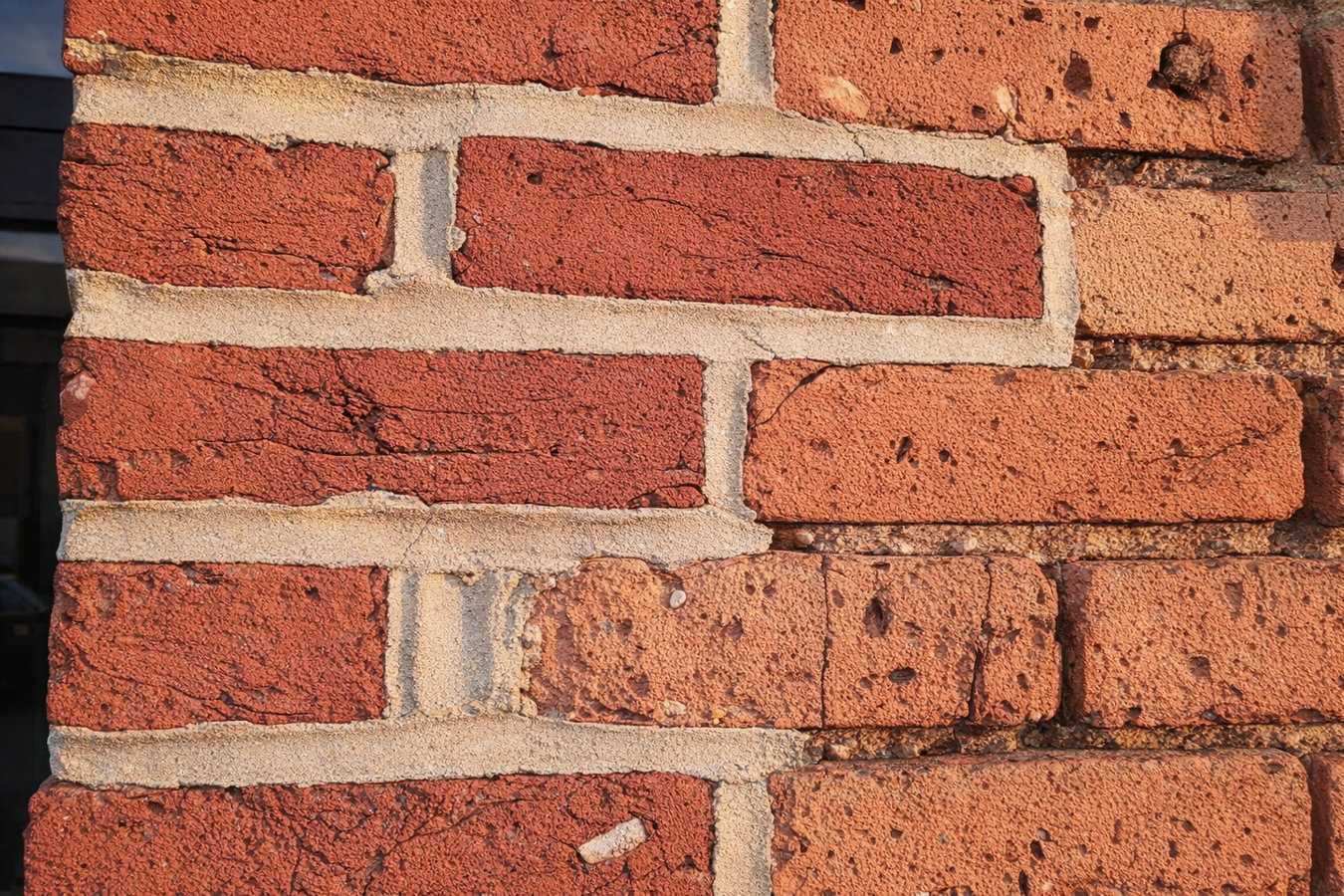
Masonry restoration in Benicia brings crumbling mortar joints, cracked brick, and weathered stone surfaces back to stable condition, most jobs taking one to three days depending on how much wall surface needs attention.
If you notice white powdery stains on the brick, mortar that crumbles when you touch it, or cracks that have appeared after a wet winter, those are all signals that water is getting in where it should not. Left alone, that moisture works its way deeper into the wall, causing more damage season after season. Benicia's wet winters and marine air from the Carquinez Strait accelerate this kind of wear, especially on homes built before 1950. The solution is to remove the damaged material, replace it with the right repair product for your wall's age and construction, and seal the surface so water stays out.
Masonry restoration often goes hand-in-hand with fireplace installation when homeowners discover that their chimney mortar needs repointing before a new firebox can be safely connected.
If you see chalky white streaks or patches on the surface of a brick wall, that is a sign that water is moving through the masonry and leaving mineral deposits behind as it evaporates. In Benicia, where marine air and wet winters push moisture into walls regularly, this is a common early warning sign. It does not mean the wall is failing yet, but it does mean water is getting in somewhere and the source needs to be found.
Run your finger along the lines between bricks or stones. If the mortar feels soft, crumbles away easily, or looks noticeably sunken compared to the face of the brick, it has worn past the point where it is doing its job. This is especially common on Benicia homes built before 1950, where original mortar has had decades of wet winters to break down.
New cracks in a chimney, retaining wall, or exterior wall face deserve attention, particularly if they appeared after a felt tremor or after an unusually wet winter. A crack that runs in a stair-step pattern along the mortar joints often signals movement in the structure beneath. This is worth having looked at sooner rather than later.
Spalling is when the face of a brick or stone breaks away in flakes or chunks. It usually happens because water got inside the material and then froze or dried rapidly, breaking the surface apart. Once a brick starts spalling, it will continue to deteriorate faster than the surrounding material, and the damaged units typically need to be replaced rather than patched.
We handle the full range of masonry repair work that older Benicia homes need. That means repointing worn mortar joints so they seal properly again, patching cracks before they turn into structural problems, and replacing damaged brick or stone units that have spalled or broken apart. When we work on historic homes near First Street or downtown, we take the time to match the original mortar type and color so the repairs blend in rather than standing out. We also coordinate with fireplace installation projects when chimney restoration is part of the scope.
Every restoration project starts with an honest assessment of what is failing and why. Sometimes the problem is just age and weather. Other times it is poor drainage, a missing gutter downspout, or a repair done years ago with the wrong materials. We address the underlying cause, not just the visible symptom. That might mean coordinating with stone masonry work if your property has natural stone features that also need attention.
Best for walls where the mortar has worn away but the bricks or stones are still sound.
Necessary when individual units have cracked, spalled, or broken beyond what patching can fix.
Critical for older Benicia homes that need lime-based mortar instead of modern cement products.
Benicia sits right on the Carquinez Strait, and the air here carries salt and moisture year-round. Salt is one of the most aggressive forces acting on brick and mortar - it works its way into tiny pores, crystallizes, and pushes the material apart from the inside. Homeowners near the waterfront or in lower-lying areas of town tend to see masonry deteriorate faster than the regional average, which means more frequent inspection and earlier intervention. The combination of wet winters and dry summers creates a cycle of expansion and contraction that stresses mortar joints and any existing cracks, causing them to widen over time.
Much of Benicia's residential and commercial building stock dates from the late 1800s through the mid-20th century, particularly around the First Street corridor and the historic downtown. Older brick buildings were often built with softer, lime-based mortars that are not compatible with modern Portland cement products. Using the wrong repair material on an older wall can cause serious damage, so it matters that your masonry contractor understands what they are working with before they start. We work throughout the area, from the historic homes near downtown to the mid-century neighborhoods in Martinez and the hillside properties in Vallejo.
When you call, we ask a few basic questions about what you are seeing and where it is on the house. Most estimates are scheduled within one business day, and you do not need to know the technical details - just describe what you have noticed.
We walk the area with you, checking mortar joints, looking for cracks, testing for soft spots, and noting any signs of water damage. On older Benicia homes, we also assess what type of original mortar was used, since that affects what repair materials are appropriate.
The crew sets up drop cloths to catch debris, then removes damaged mortar or brick and packs in fresh repairs. Expect the sound of grinding or chipping - this is normal and necessary. Most residential jobs take one to three days depending on the scope.
At the end of each workday, the crew cleans up loose debris. When the job is complete, we walk you through the finished work and explain what was done and why. Fresh mortar needs 24 to 72 hours before it should get wet, so we tell you what to avoid during that window.
We respond to all inquiries within one business day and provide written estimates with no obligation.
(707) 750-8723We work on Benicia homes built before 1950 regularly, and we know the difference between lime mortar and Portland cement. Using the right material for your wall's age prevents new damage and protects your investment.
Salt air and bay moisture accelerate wear on masonry in Benicia. We use breathable sealers and repair products suited to coastal exposure, not the same approach you would take inland. That means repairs that hold up year after year.
Good restoration work should not announce itself. We match mortar color and texture to your existing wall so the repairs look like they belong there. Poor work stands out - and we have fixed plenty of those jobs for homeowners who hired the wrong contractor the first time.
If your home is in or near Benicia's designated historic areas, we understand the design review requirements and can navigate that process without delays. We have worked with the City of Benicia on projects throughout the historic downtown and First Street corridor.
Your home has been standing for decades or longer, and the repairs should respect that. We take the time to understand what we are working with before we start, and we stand behind the finished work.
Add a custom brick or stone fireplace to your home with proper venting and safety features.
Learn MoreRepair and rebuild natural stone walls, patios, and masonry features throughout your property.
Learn MoreSpots fill up fast in spring - schedule your restoration estimate now while the weather is on your side.